Season of love. Big word. Simple feeling. Complicated reality.
February rolls around every year dressed in red. Red roses. Red hearts. Red boxes of chocolate that promise more than they deliver. Love songs float through the air, couples hold hands a little tighter, and those of us who’ve lived long enough can’t help but smile—sometimes warmly, sometimes wistfully—at this little season we call the season of love.
We either love it or hate it.
If you’re like me, you will roll your eyes at it. The commercialization. The pressure. The implication that love should be confined to one day, one month, one very specific version of romance involving roses and overpriced restaurant reservations.
At this stage of my life, after work, after the rush, after the deadlines and the noise, I find myself thinking about love differently than I did at 25 or even 45. Here’s what 66 years on this planet has taught me: love deserves its celebration. Not just the Hallmark version. Not just the romantic kind. But all of it. Every messy, complicated, beautiful form it takes.
So yes, this is an article about love. But not the kind you’re expecting.
So… What Is Love, Really?
If you ask ten people what love is, you’ll probably get ten different answers.
Love. It’s a word we throw around so easily. We love our morning coffee, we love that new BTS song on the radio, we love hiking, we love the new hunky C-drama actor, and we tell our friends we love them. We just have the one word. And we use it for everything. Same word, vastly different meanings.
But what are we really talking about?
I’ve spent six decades trying to figure this out, and I’m still not entirely sure I have the right answer.😳 Maybe, the Greeks had it right—that love isn’t one thing. It’s many things. They had different words for different types of love: eros (romantic), philia (friendship), storge (familial), agape (unconditional, divine). “Love” isn’t one single thing. It’s a whole language, with different dialects for every relationship in our lives.
Love isn’t one neat definition we can pull from a dictionary. It’s a feeling, yes—but it’s also an action, a choice, a habit, and sometimes a quiet sacrifice. It’s about seeing value, beauty, and importance in another person, and wanting the best for them, even if “the best” isn’t always convenient or easy for us. Love can be loud and passionate, or soft and steady. It can knock us off our feet or sit beside us in silence.
Think about it. When we sincerely love someone, their happiness makes us happy, and their pain touches our own. It’s an emotional investment, a giving of ourselves. And it’s not always warm and fuzzy. Sometimes love is tough. It’s telling the hard truth, setting boundaries, facing challenges together, showing up when you’re tired, and staying even when it’s easier to walk away. It’s messy, complicated, and utterly human.
So, grab your favourite drink, get cozy, and let’s have a heart-to-heart about this big, beautiful, and sometimes confusing thing called love. Here’s my two cents…
The Many Faces of Love
When we’re young, we’re sold a very specific version of love. It’s the dramatic, all-consuming, romantic love of the movies. And while that’s a part of it, it’s just one room in a very large and wonderful house.
Friendship Love: The Ones Who Choose Us
Let’s start with friendship. Oh, friendship! The unsung hero of the love spectrum.
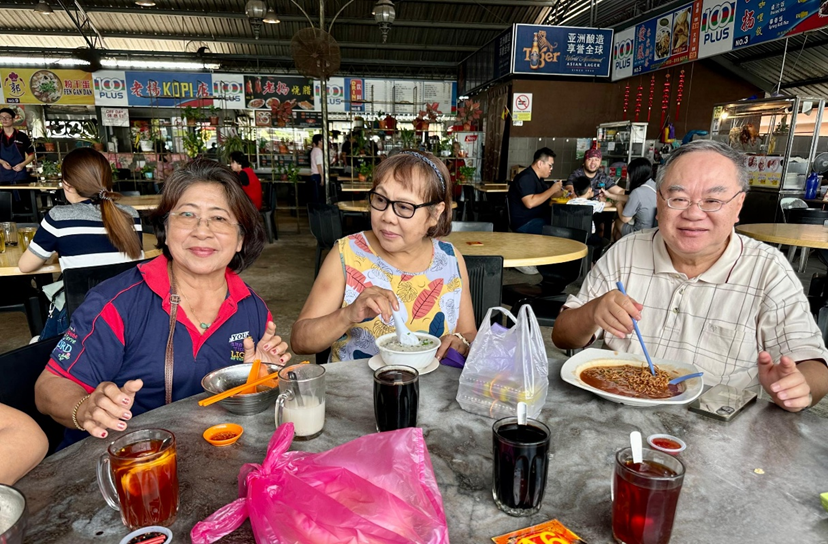
How many times have our friends acted as our unpaid therapists and personal stand-up comedians? A few years back, when a close friend found out her thirty-year marriage was a lie, we did what any ‘good’ friends would do: we sat in the dark at KLCC Park until the early hours of the morning. Don’t ask me why we didn’t just go inside—that’s a long story—but it was freezing, it was drizzling, and of course, we had zero umbrellas. It was miserable, soggy, and heartbreaking, but I wouldn’t have been anywhere else.
Friendship love isn’t about grand gestures or passionate declarations; it’s about shared laughter over bad coffee, late-night talks that solve nothing but make everything feel better, and showing up for each other, no questions asked.
These are friends who know our deepest fears and our silliest quirks and love us anyway. The ones who will help us move furniture, listen to us vent about work for the hundredth time, or simply sit in comfortable silence. It’s a chosen family, a bond built on mutual respect, understanding, and shared history. These are the people who remind us that we’re not alone in this crazy world, and their love is a vital part of our emotional well-being.
As we get older, friendships become even more precious. Life pulls people in different directions—work, family, health, distance. That’s why the friends who stick around are worth holding onto.
There’s a quiet comfort in friendship love. No pressure. No expectations. Just presence.
Parents and Children: A Love Like No Other
Ah, parental love. This one nearly destroyed me and remade me in the same breath. Nothing prepared me for this.
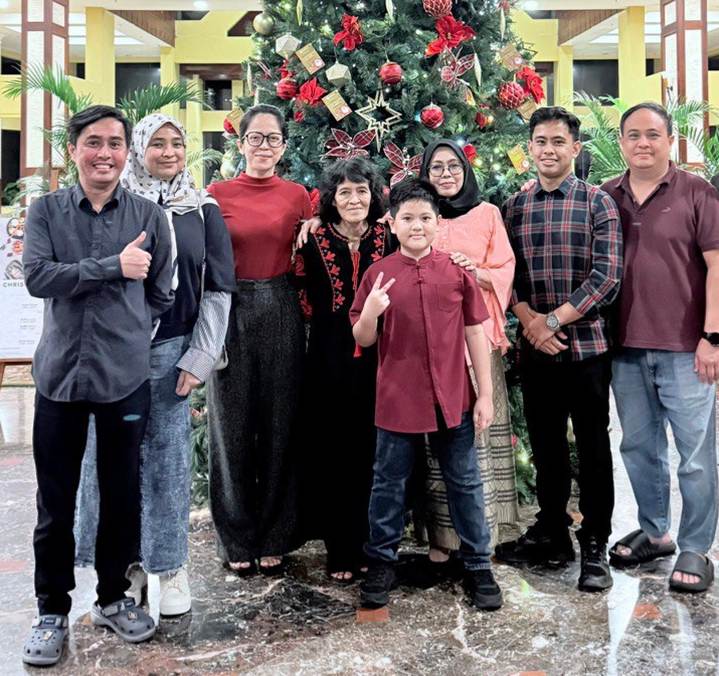
We can’t truly understand the love between a parent and a child until we’ve seen or experienced it ourselves. This is the love that hits us like a tidal wave the first time we hold our child. From the moment a child enters our life, a primal, all-consuming love takes over.
I remember each time I was in labor, I swore that that would be the last, but the moment I held my baby in my arms, I knew I could do it all over again. The joy of motherhood!
Parental love makes us willing to sacrifice sleep, personal time, and sanity for a tiny human’s well-being. It’s a love that stays up through fevers, worries about scraped knees and broken hearts, and cheers the loudest at graduations. It’s a love that asks for nothing in return except their happiness.
Parental love is complicated because it evolves constantly.
When they’re babies, our love is pure protection. We’d die for them without hesitation. When they’re toddlers, our love is exhaustion disguised as patience. When they’re teenagers, our love is hanging on by a thread as they push every boundary and tell us they hate us.
And then they become adults, and our love has to transform once again. We have to let go. We have to trust. We have to watch them make mistakes without intervening. We have to accept that they’re separate people with their own lives.
That’s hard. Impossibly hard.
But here’s what I’ve learned: parental love means loving them enough to let them live their own lives, make their own mistakes, and find their own way. It means being there when they need us and stepping back when they don’t.
It means accepting that they might parent differently from we did. Make different choices. Live different lives than we imagined for them.
And loving them anyway. Always.
Then there’s filial love—the love for our parents.
This one gets complicated, too, especially as we age and the roles reverse. My parents are gone now, but those final years when my siblings and I became the caretakers, when we watched them fade, when we had to make impossible decisions about their care—that was love too.
Not the easy kind. Not the Instagram-worthy kind. The kind that involves bedpans and medical bills and difficult conversations about death.
It’s not always perfect. There are misunderstandings, disagreements, and regrets. We care for them, anyway. Because they cared for me first. Because love is cyclical. Because that’s what we do.
Romantic Love: Is It Real, or Just a Fairy Tale?
Ah yes—romantic love. The one we write songs about. The one movie exaggerates. The one that sometimes breaks our hearts.

Is it real? Or is it just a fairy tale we’ve been sold by Disney movies and romance novels?
I think it’s both. The “happily ever after” where everything is perfect and easy? That’s definitely the fairy tale. But the deep, passionate, challenging, and incredibly rewarding connection between two people? That’s real—but not in the way we’re often sold.
Romantic love, at its best, is about choosing someone, every single day. It’s about sharing our lives, our dreams, and our fears with another person. It’s about mutual growth, compromise, and a shared vision for the future. It’s the thrill of new beginnings and the comfort of long-term intimacy.
It’s our husband bringing us coffee in bed, even though we were cranky the night before. It’s us listening to another story about golf, even though we couldn’t care less about it. It’s forgiving quickly. It’s laughing at the same silly jokes.
It’s not passion every day. Sometimes it’s just partnership. Sometimes it’s just showing up.
Romantic love is not always hearts and flowers. That’s the highlight reel. It’s also about arguments over who does the dishes, why the laundry isn’t in the laundry basket, and about supporting each other through tough times.
Real romantic love isn’t about finding our “other half” to complete us; it’s about two whole people choosing to build a life together, enhancing each other’s journeys. It requires effort and a whole lot of forgiveness.
And honestly, that’s what makes it so much more meaningful than any fairy tale.
Is romantic love necessary? No. I have friends who are single and completely fulfilled. I have friends who lost partners and chose not to remarry. Love takes many forms, and romantic love is just one option.
But is it real when it’s good? Absolutely. It’s just not what the movies told us it would be.
It’s better. More real. More human.
Love for God, Faith, and Something Greater
I debated including this section because faith is so personal, so individual. But I can’t write about love without acknowledging this part of my journey.
Love for God—or the Divine, or the Universe, or whatever name resonates with you—is different from every other kind of love because it’s a relationship with Mystery.
For many of us, love extends beyond just people. It reaches into faith, spirituality, and belief in something bigger than ourselves.
We can’t see, touch, or prove this love. We can’t have a conversation where the other party responds in audible words. We can’t control or predict it.
It requires faith. Trust. Surrender.

For the longest time, my relationship with the Divine felt like a series of business deals. I treated prayer like a vending machine: I’d put in a request, offer a bargain in return, and wait for the result. ‘If you do this, I’ll do that.’
But you can’t negotiate with love.
I spent years trying to be the ‘perfect’ believer, memorizing every law and reciting every doctrine until I was technically flawless—but spiritually empty. I was so busy perfecting the exterior that I forgot to tend to the fire inside.
Now, I’ve stopped bartering. I’ve learned that real faith isn’t about control; it’s about the quiet bravery of surrender. It’s the peace that comes when you stop asking ‘why’ and start trusting that you are held by something far greater than your own understanding.
I pray not because I want something, but because I’m grateful. I meditate not to achieve anything, but to be still. It’s acknowledging that I’m a small part of something infinite.
This love doesn’t demand proof. Doesn’t need validation. Just exists, quietly, at the core of my being.
It’s the love that reminds me I’m not alone, even when I’m by myself. That I’m connected to something eternal, even as I age. That there’s meaning beyond what I can see or measure.
Final Thought
Love isn’t perfect. People aren’t perfect. But love—real, honest, human love—is still one of the most beautiful things we experience.
And if you ask me, that’s something worth celebrating—not just in February, but every single day.
Thank you for spending a little “after work” time with me. 💛
Watch out for my next post “What Love is Not” 🌹

LOVE is a beautiful complexity but it finds its balance when we begin with loving oneself.
Thank you for this beautiful insight. I love how you described love as a “beautiful complexity.”
You’re absolutely right — self-love is such an important part of the balance. I left it out intentionally because it deserves its own reflection… and that might just be coming soon ❤️