The Morning I Woke Up Free
The alarm didn’t go off. It’s Tuesday, but for the first time in more than forty years, Tuesday was just another day. Not a rush toward Friday. I could stay in bed. Finally, no frantic dash to the shower. No passive-aggressive emails with the dreaded “per my last email” opening line. No endless PowerPoint presentations where I had to pretend slide 47 was absolutely necessary. No more deadlines and annoying bosses. Some of them were 😉. Yeah, all of that’s gone. Even my phone obeyed. Life was peaceful… quiet.
I’ve traded in my 9-to-5 hustle for… well, something a little more me. I can smile all the way through my morning cup of coffee, without once glancing at my watch.
I can binge-watch entire seasons of shows I’d bookmarked years ago. I can reorganize my closet, not because I have to, but because I have the time. Meeting my friends for lunch, I don’t have to worry about how quickly I need to get back to the office.
Pure. Absolute. Bliss.
But let me be real for a moment. That bliss? It doesn’t last forever.
Reality vs. Expectation
The honeymoon phase was glorious. For a while, the thrill of “Yay, I’m retired!” was enough. But somewhere around week three, something shifted.
Here’s the embarrassing truth: I started missing the very things I used to complain about.
I missed the structure. The knowing exactly where I needed to be and when. The satisfaction of crossing items off my to-do list. I missed the thrill of a tough negotiation—that chess game of words and strategy, trying to read the room and land on just the right approach. I missed the high-fives after we’d closed a difficult deal, the celebratory lunch where we’d dissect every moment of our triumph.
Hell, I even missed the frustrations. The setbacks that would make me want to throw my laptop out the window, only to come back the next day, determined to crack the problem.
My phone used to buzz constantly with calls, texts, and meeting notifications. “Can you join this call?” “Quick question.” “Room B in 15m.” I used to silence it in frustration, dreaming of a day when it would just… stop.
Well, it stopped. I wasn’t part of the office chat group anymore. Even people I once called friends—people I saw five days a week, shared lunches with, confided in—they seem to disappear. It was like I’d gone from being “needed” to being invisible.
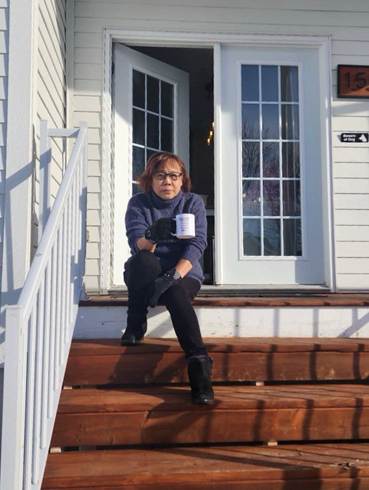
So yeah, the transition from the structure of work life to the “freedom” of retirement wasn’t as smooth as I expected. I thought I’d be over the moon, but instead, I found myself feeling… a little lost.
Shifting Gears
I don’t see it coming. Nobody warns me.
Sure, I’ve prepared for retirement. My finances are in order. I’d made plans—vague ones, admittedly, but plans nonetheless. I was ready.
Except I wasn’t ready for the emotional shift and the psychological earthquake that came with it.
At nearly 66, it hits me: time is no longer infinite. It’s not my most valuable currency—it’s my scarcest resource.
There’s this little voice that starts whispering in the back of my mind: “You’ve got maybe ten good years left if you’re lucky.” I’m living on borrowed time. I’m not guaranteed tomorrow. None of us is, really. But now, the math is just more obvious.
After 75, statistically speaking, the body tends to start acting up. The aches become chronic. The pains become familiar companions. Doctor’s appointments transform from annual check-ups to regular events on the calendar.
This realization doesn’t depress me—well, maybe briefly—but mostly it jolts me awake. The sadness lingers, but urgency soon takes its place. If I have ten good years, I won’t mourn the past or drift aimlessly anymore. Time is a precious, irreplaceable resource now.
So, I choose to live like that. The key is living intentionally—being present and grateful. Priorities need to be set. Not tomorrow. Now.
Adjustments are inevitable as we age. Knees aren’t what they used to be, eyesight needs more help, and the energy levels fluctuate like the stock market. Accepting these changes instead of fighting them has become a crucial part of my new reality.
Laughter has become a priority, too. I seek it out. Funny movies. Silly memes. Friends who make me giggle until my stomach hurts. Life’s too short to be serious all the time.
And stress? Anger? When they come up, I pause. I let them pass instead of taking hold. Someone cuts me off in traffic? Breathe. The restaurant gets my order wrong? Release. These things can’t steal my days anymore.
At this age, stress and anger aren’t just unpleasant—they’re dangerous. They’re literally taking time off my life. No, thank you.
I’m done with anger, postponing joy, waiting for the perfect moment, and playing it safe.
The gear has shifted.
Something Old, Something New
I made a bucket list. A real one. No, not one of those fantasy lists with “climb Everest” and “meet the Dalai Lama.” A realistic list of things I genuinely want to do before I die.
Learn to play an instrument. Visit the national parks in the country. See the Northern Lights. Write a fantasy novel. Learn to brew fruit wine.

But what I’ve learned: the bucket list isn’t just about doing things. It’s about being open, about saying yes.
Yes to meeting new friends. Yes to accepting invitations that feel a little uncomfortable. Yes to trying hobbies I’ve never attempted. Yes to going to social gatherings even when I’d rather stay home in my pajamas.
Because here’s what terrifies me: becoming irrelevant. Invisible. You know what I mean. That thing that happens to older women. Society starts looking past us, through us. We become background noise.
I refuse to let age push me into the shadows. I will not quietly fade. I will take up space, try new things, and meet new people. I will share opinions, dress how I want, and live out loud.
Making Peace
There’s another item on my list that doesn’t involve exotic locations or new skills: making peace.
Peace with the people around me. The relationships that have frayed or broken over the years—some of them are worth mending. Not all of them, but some. I’ve reached out to people I’d lost touch with. I’ve had difficult conversations that needed to happen. I’ve apologized for things I should have apologized for years ago.
It’s humbling work. But necessary work.
And then there’s the greater peace: with God. I’m not going to get preachy here, but at this age, I can’t help but think about the bigger questions. How’s my spiritual account?
I’m spending more time reflecting and self-auditing, making peace with my choices, mistakes, and the life I’ve lived and continue to live.
It’s a work in progress. It’ll probably always be a work in progress. But there’s something comforting in that – in knowing that even now, I’m still growing, still evolving, still figuring things out.
Finally Living
So, here’s what I’ve learned in my first month of retirement: the key to retirement isn’t just slowing down. It’s about finally living fully and intentionally.

It’s about channeling all that energy, passion, and drive from my career into my own happiness and joy.
And that, my friends, is what I was really working toward all those years.
Not the gold watch or the retirement party or the freedom from deadlines.
But the freedom to finally, truly, completely live.
Yay, I’m retired. And the adventure? It’s just beginning.
Pro Tip for the New Retirees: Don’t just plan your finances; plan for your soul and purpose. The money keeps you fed, but your purpose keeps you alive. That’s the real focus in retirement.
Thank you for spending a little “after work” time with me. 💛